


Chikungunya: The Unseen Threat from Tropical Shores
As the sun sets over the beaches of Goa, tourists revel in the luxuries of the Indian coast, blissfully unaware that a silent menace lurks among the shadows—the chikungunya virus. Transmitted by the dreaded Aedes mosquitoes, this once-obscure disease is rapidly making headlines as it inches further afield from its tropical origins. The name itself, derived from the Kimakonde language of South Africa, means “that which bends up,” poignantly capturing the misery inflicted by its hallmark symptom: relentless joint pain.
The Changing Landscape of Chikungunya
Identified for the first time during an outbreak in Tanzania in 1952, chikungunya has defied geographical constrictions, transforming from a mainly African issue into a global health concern. With outbreaks reported recently in China and the French regions of Reunion and Mayotte, the virus is spreading like wildfire. According to the World Health Organization, cases have surged, with millions affected across the globe, particularly in the Indian Ocean islands and the Caribbean. Dr. Elisa Munoz, an epidemiologist at the Global Infectious Disease Institute, notes, “In just the last two decades, we have witnessed a dramatic increase in the geographical spread of chikungunya. This is not merely due to increased travel; climate change is a critical player, creating more suitable environments for mosquito breeding.”
UK Cases on the Rise
In 2024, the UK saw 112 confirmed and probable chikungunya cases, nearly one and a half times that of 2023. Among these, travel to India accounted for the majority, underscoring risks as people venture to popular tourist destinations. While currently there’s no risk of local transmission in the UK due to the absence of invasive mosquito species, the long-term implications of climate change loom ominously. “If we continue to see temperature rises and altered rainfall patterns, the day may not be far when we face local outbreaks,” cautions Dr. Sarah Worthington, a public health researcher.
Transmission Dynamics: Aedes Mosquitoes at the Forefront
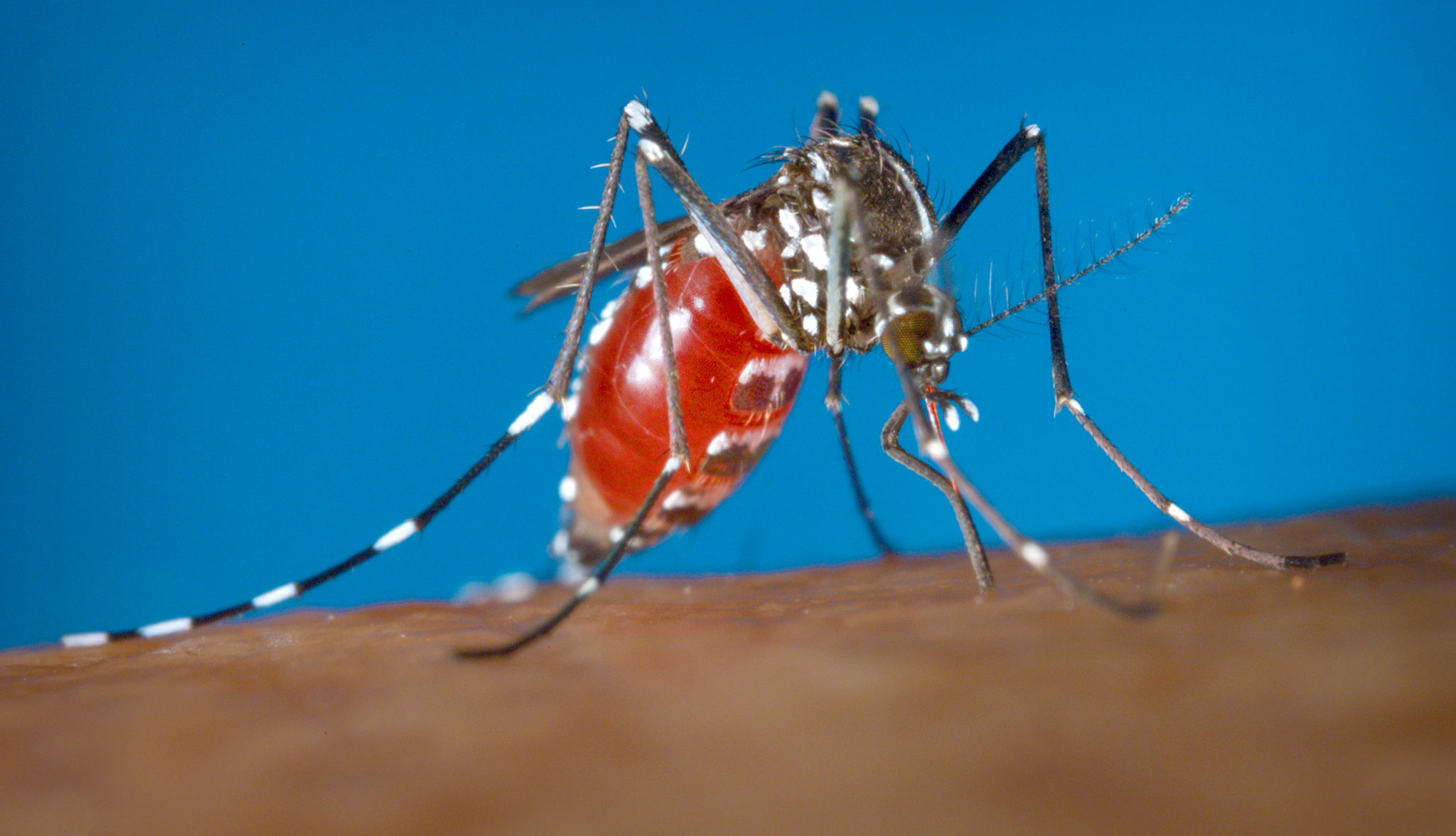
Chikungunya primarily spreads through the bites of infected Aedes mosquitoes, particularly Aedes aegypti and Aedes albopictus. These pesky insects thrive in both natural and human-made standing water sources, such as old tires and blocked gutters. Unlike the malaria-carrying mosquito, which is active at night, these mosquitoes hunt during the day, posing a unique challenge for tourists engaged in daytime activities. “Understanding the behaviour of these mosquitoes is crucial for effective prevention,” explains Dr. Joe Harrison, a vector control expert.
- Nature and activities that increase mosquito exposure:
- Visiting urban areas with standing water sources
- Engaging in outdoor activities during peak biting times (dawn and dusk)
- Staying in hotels without mosquito nets or repellents
Symptoms and Health Implications
The initial symptoms of chikungunya often include a high fever and debilitating joint pain, particularly in smaller joints or previously injured areas. While many patients recover in 1 to 2 weeks, up to 12% may endure lingering discomfort for years. Rare complications can occur, impacting the eyes, nervous system, or heart. Dr. Tanya Lawson, a rheumatologist, states, “It is critical for healthcare providers to recognize persistent symptoms, which can significantly impact quality of life. Affected individuals may benefit from multidisciplinary approaches.”
Prevention Strategies: A No-Nonsense Guide
As there remains no specific antiviral treatment for chikungunya, prevention is paramount for travelers. The CDC recommends several measures:
- Utilize insect repellents that contain DEET or picaridin.
- Wear loose-fitting, long-sleeved clothing and long pants.
- Avoid areas with standing water, both natural and artificial.
- Ensure accommodations are equipped with measures to keep mosquitoes away.
Vaccination Developments
In light of the escalating threat, two new vaccines—IXCHIQ and Vimkunya—have been recently approved for use among travelers. These vaccines show promising efficacy, especially for individuals traveling to regions with known outbreaks. However, IXCHIQ is not recommended for those aged over 60 or with specific health histories, indicating that careful consideration is essential. “Vaccination can play a vital role in curbing outbreaks, but it must be approached with caution and awareness,” remarks Dr. Chloe Reynolds, an infectious disease specialist.
Public Health Response in the UK
The UK Health Security Agency (UKHSA) has mobilized teams to monitor and mitigate threats from chikungunya. The Medical Entomology and Zoonoses Ecology group (MEZE) focuses on assessing mosquito threats, while the Emerging Infections and Zoonoses (EIZ) Team provides epidemic intelligence. “Our research is key to understanding potential risks and guiding public health policy,” states Dr. Michael Grant, a lead epidemiologist at UKHSA.
Looking Ahead: A Global Perspective
The continued spread of chikungunya is a testament to our interconnected world. As urbanization and climate change converge, the likelihood of local transmission in temperate regions remains a sobering reality. With international travel more accessible than ever, the risk of introducing chikungunya to non-endemic areas poses a growing threat to global health. You can find ongoing updates on chikungunya outbreaks and travel advice through public health websites. While the disease is rarely fatal, the debilitating joint pain it can cause emphasizes the necessity of effective prevention strategies. Only through global awareness and preventive action can we hope to curtail the advance of chikungunya and safeguard public health.
Source: ukhsa.blog.gov.uk

