


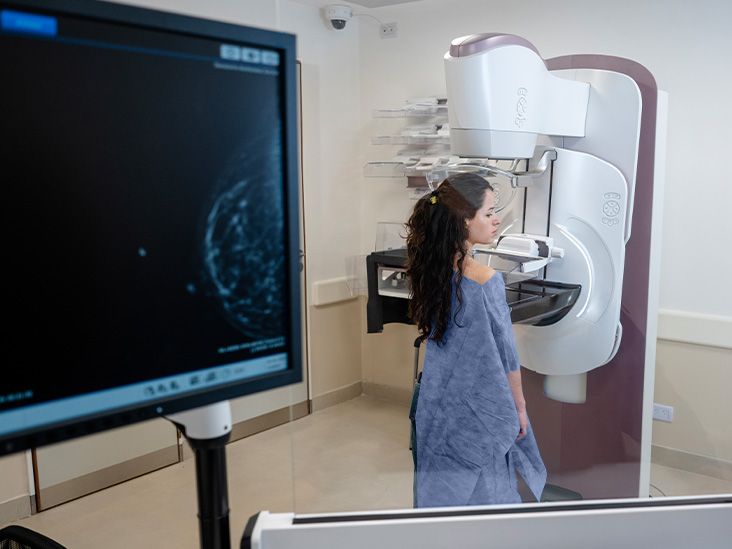
Could AI-Enhanced Mammograms Reduce Rates of Interval Breast Cancer and Reduce Radiology Workload?
In a bustling Malmö clinic, Dr. Kristina Lång reviews the latest data from the Mammography Screening with Artificial Intelligence (MASAI) trial. Each analyzed mammogram represents not just a medical image but a woman’s future, her life hanging in the balance. For years, interval breast cancers, diagnosed between regular screenings, have posed a significant challenge in radiology—these cases frequently represent larger, more aggressive tumors that lead to a grim prognosis. However, recent advancements in AI-supported mammography signal a potential turning point in how we approach breast cancer screenings, establishing a promising avenue to reduce both the incidence of interval cancers and the weight carried by overburdened radiologists.
The Efficacy of AI in Mammography
The MASAI trial, which involved over 105,000 women, showcased that AI-enhanced mammograms significantly improve early cancer detection. The study, published in The Lancet, revealed that AI-supported screening led to a:
- 29% increase in overall cancer detection rates.
- 12% reduction in interval breast cancers.
- 27% decrease in aggressive cancer subtypes.
These statistics are compelling. Kristina Lång, leading the groundbreaking research at Lund University, observed, “Our results indicate a transformative potential in mammography screening practices. Not only did we see a reduction in interval cancers, but the cancers identified were less aggressive, suggesting a meaningful clinical benefit for patients.”
Understanding Interval Breast Cancer
Interval breast cancers typically emerge between scheduled screenings, accounting for approximately 20-30% of breast cancers diagnosed in women undergoing regular mammograms. These cancers are usually larger, more virulent, and often result in poorer outcomes. Yet by utilizing AI technology, the MASAI trial represents a significant leap toward enhancing detection methods.
Jessie Gommers, a researcher at Radboud University Medical Centre, elaborated on these findings: “Missing a cancer diagnosis can change everything. The lower incidence of interval cancers highlights the AI-supported method’s clinical benefits. By identifying cancers earlier, we can potentially reduce the need for invasive treatments while improving patient outcomes.”
Radiologist Workload and Efficiency
With the rising number of mammograms performed globally, the burden on radiologists has reached critical levels. Traditional methods often involve exhaustive double readings by radiologists, leading to burnout and errors inherent in high workloads. The integration of AI reduces this strain significantly. In the MASAI trial, it was found that the AI system, which operates as an auxiliary screening aid, led to a:
- 44% reduction in the radiologist’s reading workload.
- Consistent performance irrespective of breast density or radiologist experience.
- Preservation of a specificity rate of 98.5%, confirming high accuracy without increasing false positives.
This use of AI as “a second pair of eyes” allows radiologists to prioritize cases that require immediate attention, increasing their efficiency. Dr. Gommers commented, “By alleviating some routine tasks, AI empowers radiologists to focus on the more complex cases that need their expertise, ultimately leading to better care.”
Real-World Implications
As the evidence mounts, the practical applications of AI in mammography could alter the landscape of breast cancer screening worldwide. Yet, questions regarding the implementation of these technologies remain. Will integrating AI be cost-effective, and how will it shape clinical workflows?
Lång emphasized the need for comprehensive evaluation: “We must consider not only the improved outcomes but also the economic implications. If AI can reduce interval cancers significantly, as our study suggests, that could offset any additional costs.” A recent Norwegian modeling study supports this notion, suggesting AI in mammography could be cost-effective if it reduces interval cancers by at least 5%—a threshold surpassed by the MASAI findings.
Future Directions in Breast Cancer Screening
Undoubtedly, the MASAI trial has opened doors to further studies and discussions. The integration of AI into routine screenings might reduce the occurrence of aggressive cancers, but longer follow-up studies will be essential to fully understand the long-term impact. Lång stated, “Ongoing evaluations are vital. If these approaches gain traction, we will need to ensure that radiologists are trained effectively to work alongside AI.”
Moreover, patients must understand that while AI can support mammogram readings, it does not replace the critical decision-making capabilities of human radiologists. As breast cancer screening continues to evolve, the alliance between technology and human expertise will be paramount.
As Lång concluded, “The promise of AI in breast cancer screening is not merely about technology but improving patient outcomes and ensuring that every woman receives the best possible care. The next few years will be pivotal in determining how we can incorporate these innovations safely and effectively into our healthcare systems.”
Source: www.medicalnewstoday.com

