


New Insights into Statins: Challenging Myths and Understanding Their True Impact
The first time Sarah Thompson, a 52-year-old mother of two, heard about statins, she was sitting in her doctor’s office. The doctor, with furrowed brows, expressed concern over her cholesterol levels. “You might start feeling fatigued,” the physician warned, a side effect that lingered in Sarah’s mind more than the advice to begin medication. Like many, she associated statins with a spectrum of ailments, from muscle pain to anxiety. But recent research reveals that much of what we thought we knew about these cholesterol-reducing medications is, in fact, a myth.
Understanding Statins and Their Benefits
Statins are primarily designed to lower LDL (low-density lipoprotein), commonly referred to as “bad” cholesterol. According to Dr. Emily Winters, a cardiologist at the Heart Disease Prevention Institute, “Statins not only decrease LDL levels but also help improve overall cardiovascular health by stabilizing plaque buildup in arteries.” This significantly reduces the risk of heart attacks and strokes.
- Lower LDL cholesterol levels.
- Reduce triglyceride levels.
- Stabilize artery plaque, preventing blockages.
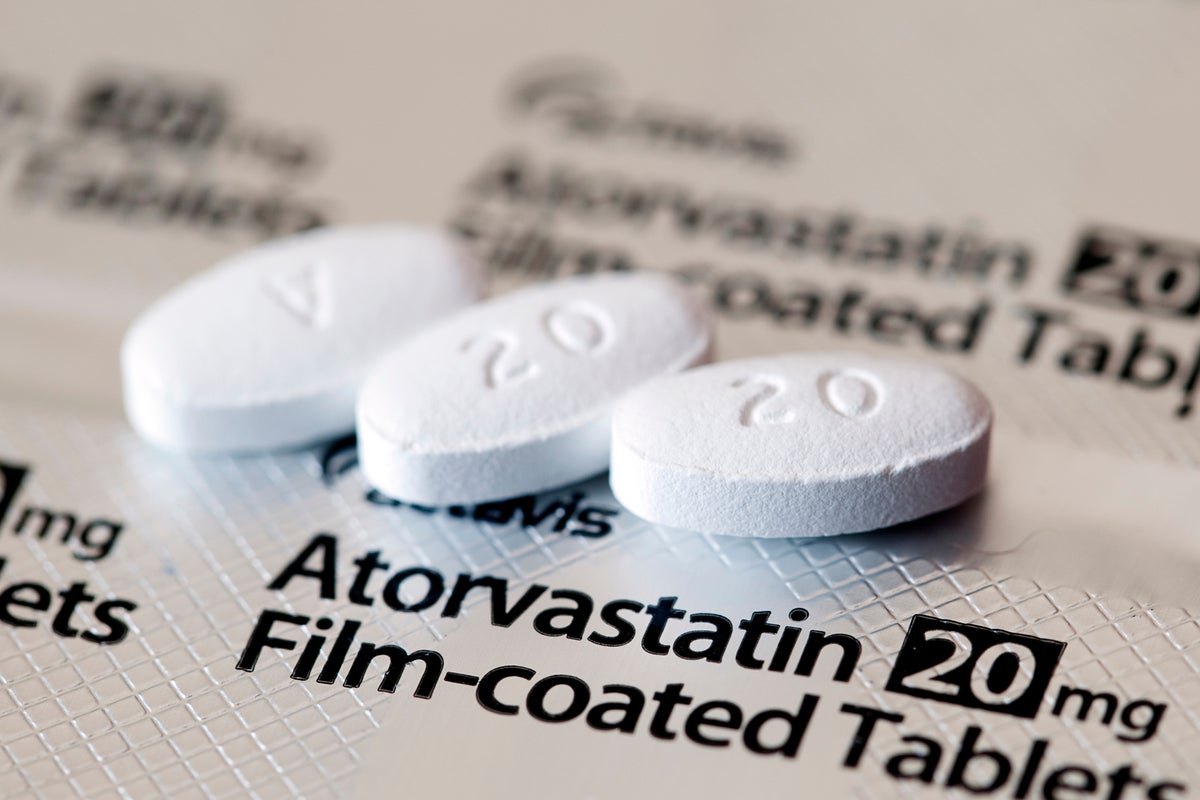
These medications, which include atorvastatin and simvastatin, can be essential for individuals identified as having high cardiovascular risk. A comprehensive study published in The Lancet involving 123,940 participants found no significant correlation between statin use and commonly cited side effects such as fatigue, depression, and sleep problems. “This challenges long-held beliefs and could change how we approach treatment options for patients,” Dr. Winters noted.
Who Should Consider Statins?
Statins are generally recommended for people with high cholesterol, but their prescription extends to those with normal levels who have increased risk factors. “Doctors conduct a thorough risk assessment that factors in family history, lifestyle, and other underlying conditions,” explains Dr. Samuel Holloway, a public health researcher involved in cardiovascular studies. “Even those with normal cholesterol might be at high risk due to diabetes, hypertension, or a family history of heart disease.”
Statin Eligibility: What to Keep in Mind
While statins can benefit many, they are not universally suitable. Specific conditions may preclude their use:
- Allergies to statins or other related medications.
- Liver or kidney problems.
- Pregnancy or breastfeeding.
- Muscle disorders or a history of muscular side effects.
“If a patient has previously experienced liver issues, the use of statins must be approached cautiously,” Dr. Jodar cautioned. “It’s essential to highlight any existing health conditions when discussing treatment options.”
Taking Statins: Guidelines and Considerations
The method of taking statins may seem straightforward: typically once a day and usually recommended at night. However, adherence to prescribed guidelines is vital. Patients are monitored closely through regular blood tests to assess cholesterol levels and liver function.
Lifestyle Modifications: A Crucial Complement
Statins are most effective when combined with lifestyle changes. Dr. Jodar emphasizes, “Medications alone aren’t a magic fix. Patients need to embrace a holistic approach that includes a balanced diet, regular exercise, and quitting smoking.” This comprehensive perspective not only aids in managing cholesterol but also fosters long-term health improvements.
What If You Stabilize Cholesterol Levels?
Many individuals wonder if they can cease statin use once their cholesterol stabilizes. Dr. Winters explains, “Statins are generally considered a lifelong commitment unless your physician recommends adjusting or stopping based on individual assessments.” Discontinuing medication can lead to a rebound in cholesterol levels and, subsequently, increase the risk of cardiovascular events.
The research community is moving toward a more nuanced understanding of statins, shifting the narrative surrounding their perceived dangers. For instance, a recent study revealed that 60% of reported side effects were attributed to psychological factors rather than the medication itself, reinforcing the need for informed discussions with healthcare providers.
Amidst evolving perspectives, the dialogue around statins continues to develop. Healthcare providers are encouraged to stay current with emerging research, incorporating findings into patient care that prioritize both safety and effectiveness. As we delve deeper into the interactions between lifestyle, medication, and health, it becomes clear that patients like Sarah—and millions of others navigating similar health journeys—deserve a nuanced, balanced approach. Statins may not merely be about lowering cholesterol; they symbolize a shift towards preventative healthcare and enhanced quality of life.
Source: www.independent.co.uk

