


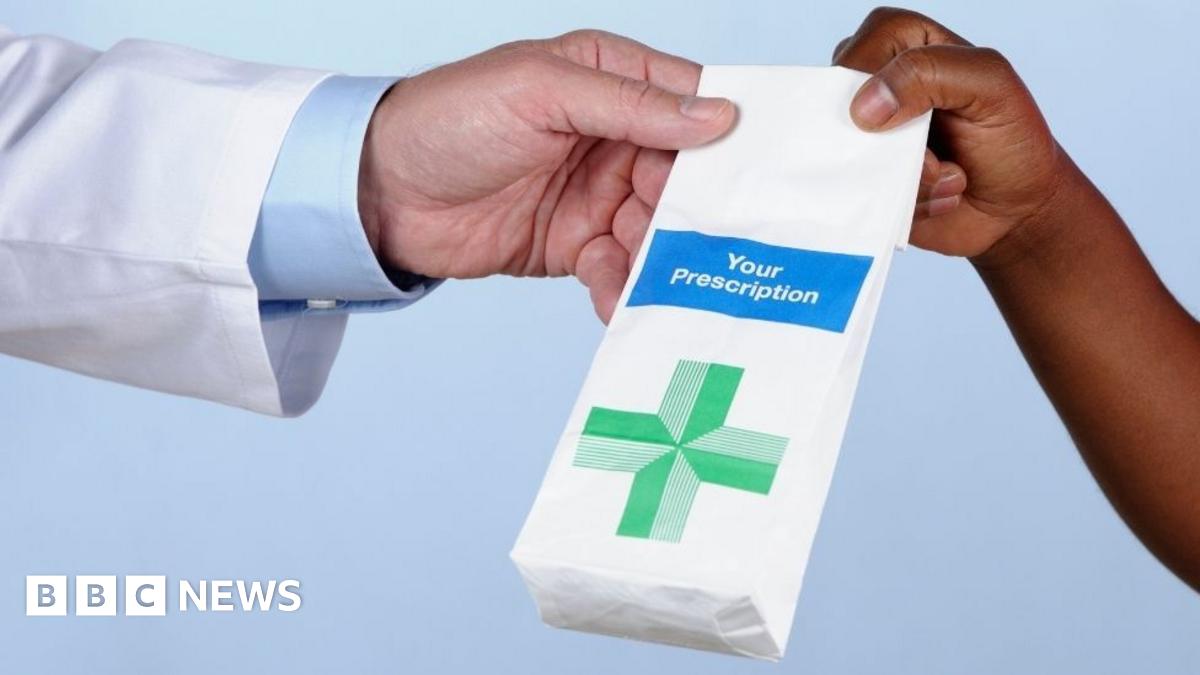
Greene Appeals for Patience Amid Pharmacy Supply Crisis
As the morning sun began to illuminate the bustling streets of Birmingham, a long line formed outside a local pharmacy. Inside, pharmacists moved swiftly, their faces marked by worry and determination. Among them was a frazzled pharmacy manager, John Greene, who had just issued a public plea for understanding. “We are doing our best under very difficult circumstances,” he told a small gathering of reporters. His eyes betrayed the strain of a system stretched to its limits, grappling with unprecedented supply shortages of essential medications.
The Rising Tide of Supply Chain Issues
The disruptive force of supply chain issues is not just a phenomenon confined to grocery stores or automotive manufacturers; it has infiltrated the much-needed realm of community healthcare. Greene’s plea is echoed by pharmacists across the United Kingdom, where the availability of common medications like co-codamol has become increasingly precarious. This is not merely an inconvenience; for many patients, it poses real risks to their health and well-being.
Pharmacy Teams Under Pressure
- Pharmacists must now ration medicines, often dispensing prescriptions in staggered amounts.
- Some patients, previously assured of a reliable supply, must return to their GPs for alternative prescriptions.
- Pharmacy teams are advised against allowing patients to self-select alternative medicines, stressing the importance of professional guidance.
According to a survey conducted by the Royal Pharmaceutical Society, 67% of community pharmacies reported a significant increase in supply issues over the last year. “The numbers are staggering,” noted Dr. Emily Hart, a public health expert at the University of Bristol. “Patients are being put in a potentially dangerous position. When people cannot access their medications, the ramifications can be severe.”
The Response from Policymakers
As the crisis deepens, calls for action are mounting from within the political arena. Danny Donnelly MLA, chair of the All-Party Group on Community Pharmacy, characterized the situation as “very concerning,” urging the health minister to address the issue with urgency. “This is not just a pharmacy problem; it has implications for public health and safety,” he said. Donnelly’s concerns highlight a critical intersection between community needs and governmental response, which appears sluggish at best.
Government’s Acknowledgments and Challenges
The Department of Health (DoH) has publicly acknowledged the current supply crisis affecting co-codamol 30/500mg tablets across the UK. “We are aware of the issues at hand,” a DoH spokesperson stated, “and we are working closely with the Department of Health and Social Care (DHSC) to ensure that patients continue to have access to necessary treatments.” Yet, for patients facing medication shortages, assurances often feel inadequate.
Many experts worry that without immediate intervention, the ongoing crisis could spiral. Dr. Sarah Wong, a healthcare policy analyst, noted, “The health system is only as strong as its supply chains. If medications are not available, patients will suffer, and we’ll see a rise in emergency healthcare costs.”
Patient Guidance in Uncertain Times
In light of the current shortages, Greene offered practical advice for patients grappling with the uncertainty of their medication needs. “It is essential that people continue to order medicines in advance and follow their GP’s recommendations,” he stressed. The goal is to mitigate panic-induced behaviors, such as stockpiling, which only serves to exacerbate the existing supply chain issues.
The DoH’s statement urging against stockpiling underscores an essential principle: the need for collective responsibility in navigating a healthcare crisis. “By ordering thoughtfully, we can all contribute to a better supply chain,” Greene explained, emphasizing the importance of patience and understanding in a time of stress.
The Psychological Toll on Pharmacy Staff
The human element of this crisis cannot be overlooked. Pharmacy teams, already working under heightened stress, are experiencing emotional fatigue as they manage the daily expectations of anxious patients. “Staff morale is at risk,” Greene admitted. “They are not just pharmacists; they are caregivers, and they feel the impact of their limitations deeply.”
A recent psychological study published in the Journal of Community Health highlighted that pharmacy workers often encounter emotional distress due to their frontline roles in healthcare. Over 75% of those surveyed expressed feelings of anxiety related to patient care during the ongoing shortages.
Looking Ahead: A Community Call to Action
As pharmacies brace for what could be a prolonged period of shortage and frustration, community dialogue becomes essential. Patients are encouraged to voice their concerns and experiences, which may help inform policy changes that prioritize not only immediate supply needs but also longer-term solutions.
“Understanding is key,” Greene reiterated, as he cleaned the counter after another full day of consultations. “It will take all of us—patients, pharmacists, and policymakers—to ensure that everyone has access to the care they need.”
As the line in his pharmacy continues to grow, so too does the imperative for collaboration and compassionate understanding in these trying times. The healthcare community stands at a crossroads, and with concerted effort, a path forward can emerge—one that prioritizes health equity and the very foundations of patient care.
Source: www.bbc.co.uk

