


Scientists Tested the Effects of an Oatmeal Diet in Reducing Cholesterol Levels
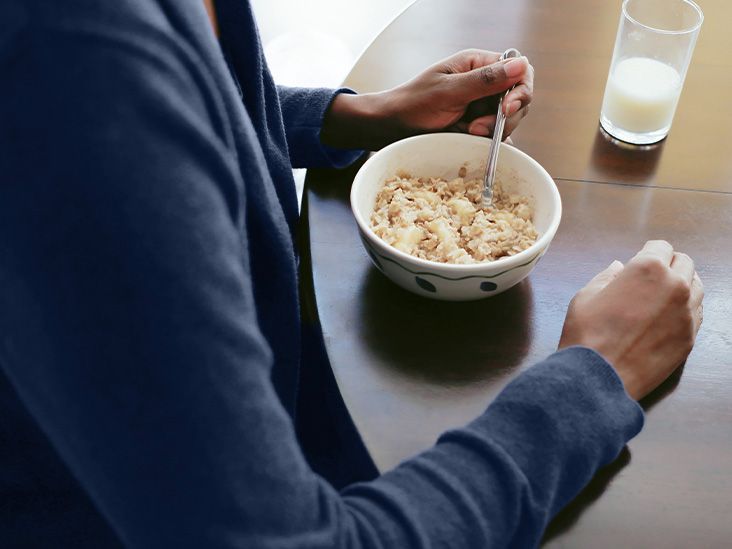
On a brisk morning in Bonn, Germany, a group of volunteers gathered in a clinical setting to embark on an extraordinary culinary journey. For two days, they would consume nothing but oatmeal—300 grams of it daily, supplemented only by vegetables and fruit. Their mission? To explore the potential of this simple grain in dramatically altering cholesterol levels. The results of this daring experiment, revealed by researchers from Universität Bonn, challenge conventional wisdom about dietary fibers and heart health.
The Oatmeal Experiment: A Two-Day Transformation
Participants in this clinical trial experienced a stunning reduction in low-density lipoprotein (LDL) cholesterol, commonly known as “bad” cholesterol. LDL levels dropped by approximately 10%, significant enough to suggest that even short bursts of dietary initiatives can trigger physiological change. As participants returned to their regular diets, researchers noted that these diminished cholesterol levels persisted for nearly six weeks.
- Short-Term Diet: Participants consumed only oatmeal for two days.
- Long-Term Effect: LDL cholesterol levels remained lower for six weeks.
- Weight Loss: On average, participants lost two kilograms during the oatmeal regimen.
The first part of the study involved 32 individuals who were split into two groups: one consuming oatmeal and the other following a standard calorie-reduction diet. Junior Professor Marie-Christine Simon, the senior investigator on this study, noted, “The intense exposure to oats appears to activate a powerful response in the gut microbiome, leading to significant health benefits.” Through fecal sampling, Simon’s team found elevated levels of microbially produced metabolites associated with cholesterol reduction, underscoring the potential of oatmeal as a dietary strategy.
Investigating Daily Oat Consumption
The second phase of the study sought to evaluate the long-term effects of integrating oats into everyday diets. Here, 17 participants replaced one meal daily with various oat-based products—be it porridge, smoothies, or baked goods—over six weeks. Strikingly, no significant changes in LDL cholesterol levels were observed during this period. While participants were enjoying their oat-based meals, the anticipated health benefits did not materialize.
According to Simon, the results may indicate that a concentrated approach to oat consumption yields more pronounced effects compared to casual inclusion in an everyday diet. “The body responds better to a sudden influx of oat components than to sustained, small amounts,” she explains. “When we consume a large quantity of oats rapidly, it generates a cascade of beneficial gut microbiota activity that influences how cholesterol is processed in the body.”
The Science Behind Cholesterol Reduction
Simon elaborated on the biochemical mechanisms at play. “The phenolic compounds present in oats, particularly during high-dose consumption, prompt our microbiota to produce metabolites such as dihydroferulic acid. These compounds can interfere with cholesterol homeostasis at the cellular level.” This novel insight reveals a compelling link between dietary choices, gut health, and cardiovascular wellbeing.
However, taking such an intensive dietary plunge is not without challenges. Michelle Routhenstein, a registered dietitian specializing in cardiovascular health, emphasizes the need for caution. “In tightly controlled research environments like this, changes can reflect more pronounced shifts than what we usually see in real-world settings.” She suggests that the presence of many lifestyle factors complicates long-term dietary change evaluations.
Moderation vs. Intensity: Finding the Balance
While the study’s acute oatmeal regimen has proven effective, Routhenstein posits a balanced and sustainable approach. “Regular consumption of oats within a diverse, heart-healthy diet, rich in soluble fiber and plant protein, is key to achieving sustainable cholesterol control,” she remarked. This brings to light the potential limitations of quick fixes in dietary habits, advocating instead for moderation and holistic nourishment.
- Oats and Heart Health: Regular inclusion can promote moderate LDL reduction.
- Other Grains: Barley and whole-grain rye can deliver similar benefits.
- Consistent Dietary Patterns: Balance and variety encourage long-term health.
Interestingly, the findings prompt questions about the feasibility of periodic oatmeal interventions for cholesterol management. Simon expresses optimism: “Hypothetically, if one were to repeat these short-term high-dose oat diets regularly, we might observe recurring benefits. Yet, further research is required to substantiate this theory.”
A Culturally Rich Perspective
Globally, oats have long held a place in traditional diets, from Scottish porridge to overnight oats in contemporary wellness culture. The broader implications of this research extend into cultural culinary practices. As oats gain recognition for their health benefits, they may incentivize a renewed interest in traditional grain-based dishes, ideally supporting community health initiatives. This paradigm shift could prove beneficial, especially in populations grappling with rising rates of cardiovascular disease.
As the scientific community and public health advocates reflect on these findings, the graceful grain known as oats could transform how we perceive and interact with our food. The study reveals that healthful eating may not demand perfection or consistency—instead, a brief, focused period of dietary focus can evoke tangible improvements in one’s health profile.
Pursuing a balanced, varied diet, with an occasional deep dive into the power of oats, might be the key to unlocking a heart-healthy lifestyle. In the world of nutrition, sometimes simplicity—a humble bowl of oatmeal—holds the most profound promise.
Source: www.medicalnewstoday.com

