


Adoption Crisis: The Unspoken Truth Behind Promises Made and Promises Broken
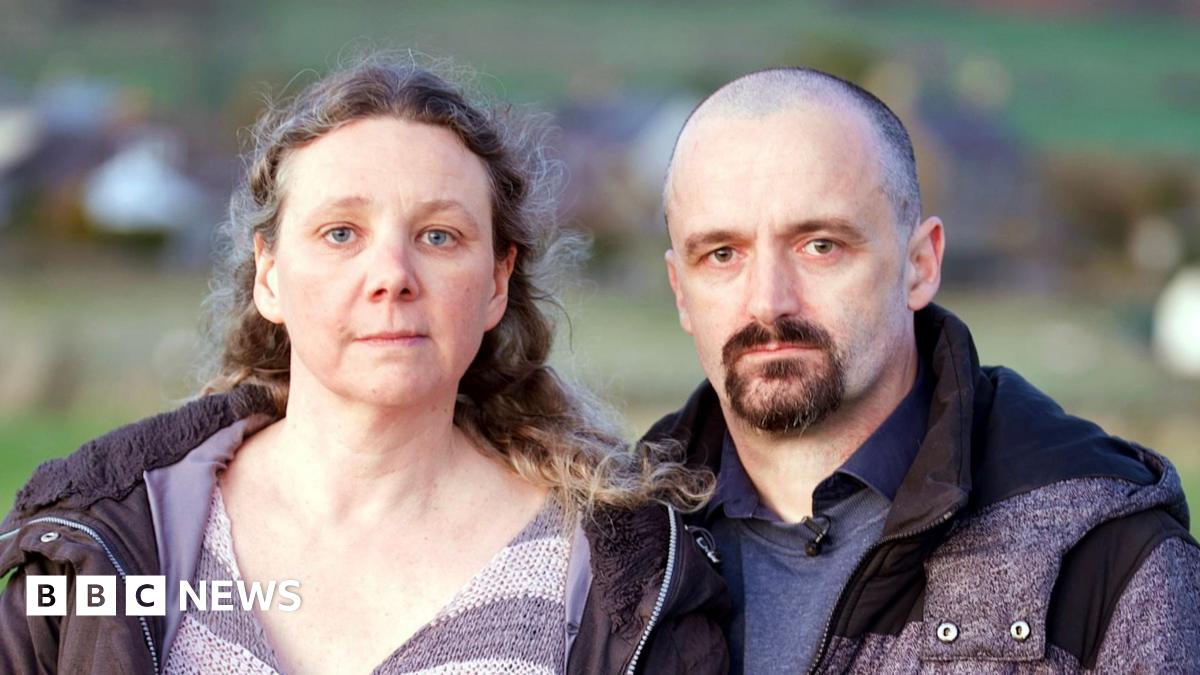
When Verity and her husband first adopted Liam, they were filled with hope. They believed that love would conquer all challenges their new son might face, having been assured that his needs would be met post-adoption. “They told us all he would need was love,” Verity recalls, her voice tinged with a mix of sorrow and disbelief. “But the reality has been far more complicated. Love is not enough.”
A System Under Strain
For Sarah, a seasoned social worker with 25 years of experience across 12 different local authorities, the disillusionment surrounding adoption support is painfully familiar. “Every adopter I have worked with was assured they would get support after the adoption order was signed,” she asserts. But that assurance, she believes, often turns out to be misleading. “They were sold a lie.”
Her comments echo a larger trend that has taken root over the last decade. The number of adoption breakdowns has increased significantly, raising alarm bells in the social work community. As Sarah recounts, “I used to blame the parents when I saw adoptions in crisis. I’ve heard that narrative being used many, many times by managers and other social workers.” Yet, biting evidence has compelled her to change her mind. “The truth is more complex, and it’s driven by a system under considerable strain.”
A Blame Culture
The British Association of Social Workers confirms that the sector is grappling with challenges like never before. They cite the highest level of referrals to children’s social services in a decade, alongside a depleted workforce. “The system is not just strained; it’s fractured,” says Dr. Emma Richie, a child welfare researcher from the Institute for Social Policy. “Social workers are overwhelmed, juggling immense caseloads that limit their ability to offer meaningful support.”
This perpetual state of urgency contributes to a blame culture, whereby adopters like Verity feel isolated and judged. “We’ve got high caseloads; we haven’t got time to sit and listen,” admits Sarah. The long-term implications of this systemic overload are profound—not only for the children like Liam but also for families striving to mend their experiences with trauma.
Love Isn’t Enough
For parents like Verity, reality hit when Liam entered care for a period. While their relationship improved, they couldn’t ignore the scars left by his early experiences. “Our children have gone through frightening, overwhelming things,” states Fiona Wells, a prominent advocate for adoptive families and director of Patch, a support network for adoptive parents. “If we are not healing children who’ve experienced such adversity, we’re just ignoring it.”
Need for Change
The perceptions of adoption often fail to capture the emotional and psychological complexities faced by both children and their adoptive families. According to a hypothetical study by the Child Welfare Research Institute, nearly 70% of adoptive parents reported feeling uninformed about the challenges their children would face post-adoption. This startling figure underscores how essential it is for prospective adopters to receive realistic and comprehensive information about the potential trauma their children have endured.
To clarify the key issues, here are some critical insights into the current adoption landscape:
- Erosion of Support: Many adoptive parents report a significant decline in post-adoption services, leading to feelings of abandonment.
- Caseload Overload: Social workers are stretched thin, which impacts their ability to provide dedicated and individualized attention.
- Increased Breakdown Rates: Data indicates that adoption breakdowns are rising, prompting a reevaluation of the support systems in place.
A Call for Systemic Reform
Adoptive parents, alongside advocates like Fiona, are pushing for a transformation of the existing framework. “The system must prioritize healing and counseling as a foundational step in the adoption process,” she insists. “It’s not just about placement but about ensuring that we are equipped to nurture children who come from traumatic backgrounds.”
Dr. Emma Richie’s research highlights that early intervention and sustained support post-adoption could dramatically reduce the breakdown rates. She states, “The current approach often leads to children being placed in homes without adequate preparation for either side. This is a failure of our society to address the realities of child trauma.”
As Liam’s story unfolds within the backdrop of systemic challenges, it serves as a stark reminder of the urgent need for reform in adoption practices. Families like Verity’s are not just fighting for their children; they are fighting for a system that truly understands and addresses the complexities of adoption.
Ultimately, the answers lie not only in promises made but in the actions taken to ensure that love, while foundational, is supplemented with the critical resources, understanding, and support that these vulnerable children—and their families—deserve.
Source: www.bbc.co.uk

