


What Does It Take to Become a Supercentenarian? A Look at Brazil’s Secrets to Longevity
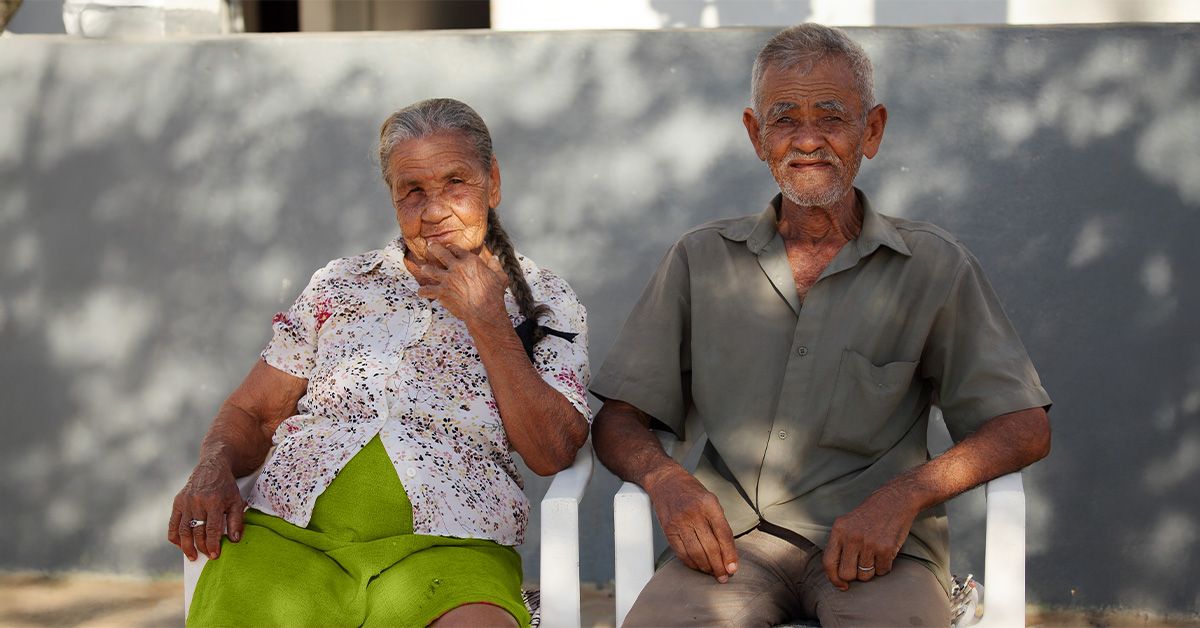
In the sun-drenched villages of Brazil, centenarians embody the idea that age is just a number. Meet 112-year-old José, who still tends to his lush garden, growing vibrant fruits and vegetables that have nourished him for decades. He often shares stories with his friends, recounting tales from wars and revolutions, all while playing his favorite card games. José’s remarkable longevity is not merely a personal triumph; it represents a burgeoning field of research that seeks to unravel the secrets of supercentenarians—the individuals who live to be 110 years or older.
While many in the Western world chase longevity through expensive wellness regimes, many Brazilian centenarians thrive without access to costly healthcare or the latest health fads. A recent study published in the journal Genomic Press shines a light on these extraordinary lives, exploring the unique blend of genetic and environmental factors contributing to their remarkable lifespans.
The Global Longevity Phenomenon
Brazil is home to three of the ten longest-lived men in the world, offering a fascinating backdrop for scientific inquiry. Researchers are diving deep into understanding “biological resilience,” which may help humans avoid the diseases of aging, such as dementia, heart disease, and cancer.
“It’s not just about living longer; it’s about living better,” explains Dr. Clara Almeida, a gerontologist at São Paulo University. “Our research aims to identify what keeps these Brazilian centenarians healthy and active well into their second century.”
- Centenarians: individuals aged 100 years or older
- Semisupercentenarians: aged 105 to 109 years
- Supercentenarians: aged 110 years or older
Their study identifies three primary biological mechanisms that may account for the extraordinary health of supercentenarians: efficient protein maintenance, immune resilience, and genetic advantages.
Efficient Protein Maintenance
As humans age, the body’s protein turnover—a critical process for good health—deteriorates. However, supercentenarians like José clear dysfunctional proteins with remarkable efficacy. “Think of it like a well-running factory: when everything operates smoothly, there’s little waste. These individuals demonstrate a high level of cellular housekeeping,” remarks Dr. Patricia Luna, a molecular biologist involved in the study. “This efficiency gives them a significant advantage in maintaining health.”
Immune Resilience
Declines in immunity generally increase the risks of chronic inflammation and infection in older adults. In contrast, supercentenarians exhibit immune systems that adapt and become even more resilient. “We are observing a rare phenomenon. Instead of deterioration, there’s an adaptability,” Dr. Almeida elaborates. “This adaptability helps them fend off illnesses that typically afflict their peers.”
Genetic Advantages
Another intriguing aspect of this research is Brazil’s rich genetic diversity, a result of its history of immigration from Europe, Asia, and Africa, leading to a unique genomic makeup. “This genetic admixture may contribute to multifactorial traits like biological resilience,” the authors of the study state. “In Brazil, we observe a veritable tapestry of ancestries that likely supports their extraordinary lifespans.”
Implications for Global Aging
Despite limited access to advanced healthcare, Brazil’s centenarians provide crucial insights into how other populations might achieve longevity. The research team has garnered biological samples from over 100 centenarians, highlighting not only their lived experiences but also their ability to thrive despite socio-economic hardships.
While current findings are enlightening, researchers urge caution. “We cannot simply replicate the Brazilian model. Our environments, lifestyles, and genetics differ significantly,” warns Dr. Luna. “However, there are timeless tenets of healthy living we all can adopt.”
Adopting Longevity Habits
While waiting for definitive answers from ongoing research, experts suggest several actionable habits to promote longevity:
- Prioritize Metabolism: Maintaining metabolic health through protein intake and regular exercise is crucial.
- The Power of Walking: Daily walking can significantly reduce the risk of chronic diseases.
- Structural Armor: Building muscle mass is essential for maintaining independence in old age.
- Social Bonds: Strong social connections play a crucial role in mental and emotional well-being.
Milica McDowell, a physical therapist, adds, “Even a simple habit like walking can enhance your lifespan. Studies show an increase of just 500 steps a day can dramatically reduce mortality risks.”
Into the Future
As researchers continue to investigate the lives of Brazil’s supercentenarians, they hope to uncover pathways that could significantly improve global health outcomes. The results may not only shed light on how to live longer but also how to live better. “Gradual changes can compound over time, creating substantial benefits,” Dr. Goldman suggests. “Every small step contributes to a healthier, longer life.”
Ultimately, the narrative of Brazilian centenarians serves as a potent reminder that both genetics and lifestyle play pivotal roles in aging. While many questions remain, the evolving research promises to unravel the mysteries behind what it truly takes to thrive for a century and beyond.
Source: www.medicalnewstoday.com

