


LONDON: A Revolutionary Leap in Mitochondrial DNA Therapy
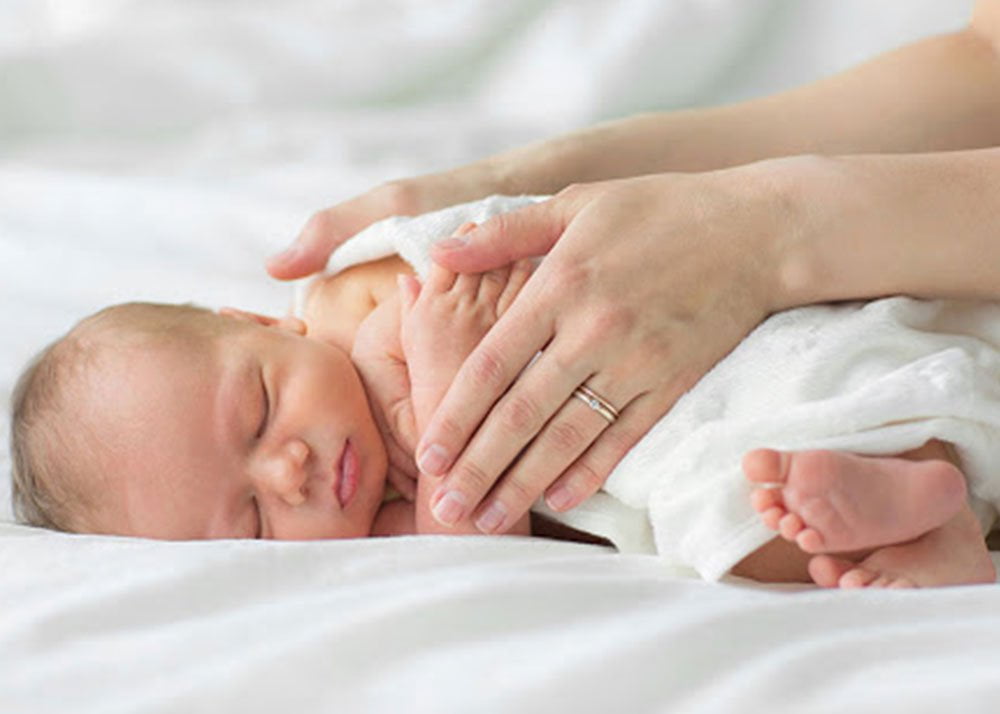
In a groundbreaking development, eight healthy babies have emerged from the shadows of mitochondrial disease, thanks to an innovative reproductive technique that employs DNA from three individuals. This technique, reported by British and Australian researchers, offers hope not just to the families involved but signals a new era in genetic medicine. For many families, the journey toward parenthood has been marred by the risk of passing on devastating, genetically inherited diseases. The arrival of these babies marks a milestone achievement in a field that has grappled with ethical and scientific challenges.
A Complex Genetic Landscape
To fully appreciate this advancement, one must first understand the unique role of mitochondria—often referred to as the powerhouses of our cells. While most genetic material resides in the nucleus, mitochondria contain their own DNA, separate from that of the parents. Mutations in mitochondrial DNA can lead to severe health issues, including muscle weakness, seizures, and developmental delays.
Dr. Zev Williams, director of the Columbia University Fertility Center, commented on the implications of this research: “The ability to use healthy mitochondria from a donor provides couples with another avenue to pursue healthy pregnancies. This technique expands reproductive options for those facing genetic risks.”
What Makes the Technique Unique?
The procedure, often referred to as mitochondrial replacement therapy (MRT), involves the transfer of nuclear DNA from a mother’s egg into a donor egg stripped of its essential DNA but retaining healthy mitochondria. This process ensures that the embryo inherits nuclear DNA from both parents while benefiting from the healthy mitochondria of a third donor.
- **Mitochondrial DNA**: Located outside of the cell nucleus, crucial for cellular energy.
- **Nuclear DNA**: Genetic material inherited from both mother and father, determines most traits.
- **MRT Technique**: Combines healthy mitochondria from a donor with parental nuclear DNA to minimize the risk of mitochondrial diseases.
The implications of this advancement are significant, especially for families like that of Liz Curtis, who lost her daughter Lily to a mitochondrial disease in 2006. Curtis, now a leading advocate for mitochondrial disease awareness, stated, “For families with little hope, this research is a beacon of light.” Her foundation, the Lily Foundation, works tirelessly to support those affected by similar genetic issues.
Regulatory Framework and Ethical Considerations
A pivotal moment for this technique came with the 2016 U.K. law change that allowed mitochondrial replacement therapy to be performed. Today, couples seeking this treatment undergo thorough scrutiny by the nation’s fertility regulator. A current total of 35 patients have been authorized for MRT in the U.K., with research from Newcastle University and Monash University demonstrating its potential efficacy.
Dr. Andy Greenfield, an expert in reproductive health at the University of Oxford, referred to the recent findings as “a triumph of scientific innovation.” He emphasized that while MRT might not be a widespread solution, it presents a necessary option for select couples who have exhausted other avenues, such as pre-implantation genetic diagnosis.
However, ethical concerns persist. Critics caution against the long-term implications of genetic manipulation. “It’s speculative to determine how these techniques may affect future generations,” says Robin Lovell-Badge, a stem cell scientist at the Francis Crick Institute. This sentiment is echoed by Dr. Williams, who noted that regulatory hurdles prevent similar advancements in the U.S., where concerns about heritable changes remain paramount.
Monitoring the First Cohorts
The eight healthy babies born via MRT have been marked as being free of mitochondrial diseases, although ongoing monitoring is essential. One of the infants presented with slightly elevated levels of abnormal mitochondria, but experts indicated these levels were not sufficient to cause disease. Lovell-Badge suggested that careful observation during development will be crucial for these infants.
As the scientific community wrestles with ramifications, the immediate benefits are evident.
– Improved reproductive options for at-risk couples
– Potential reduction in mitochondrial diseases
– Expansion in the realms of genetic research and ethical discussions
The success of these births sparks intrigue and hope as discussions continue about the broader application of the technique. Supporters argue that the potential for positive outcomes outweighs the uncertainties, drawing parallels to similar technologies resistant to initial skepticism.
For Curtis and families like hers, the arrival of these babies signifies a hard-won victory against the background of despair. “Imagine receiving news that your child might be free from the chains of a mitochondrial disorder,” she reflects, embodying the hope that many hold dear.
As this pioneering technique finds its footing amid the regulatory landscapes and ethical debates, one thing remains clear: the future holds significant promise for those grappling with genetic vulnerabilities, potentially illuminating pathways previously obscured by the darker shades of fate.
Source: www.deccanchronicle.com

